
Summer is considered the peak moving season in America, as most people prefer to relocate between May and September. The weather is warmer and drier during these months, which makes moving easier and safer in most parts of the country. Kids are also on summer break at this time, so it’s easier for families to move without disrupting their children’s education.
By planning your move early, you can take advantage of the best dates and enjoy a more relaxed move. The following tips will help you beat the heat and make your summer move as seamless as possible.
Booking your moving service weeks or months in advance allows you to secure a slot with professional movers at a time when they’re typically busy. The longer you wait, the fewer moving companies and dates will be available to choose from. Plus, moving companies usually increase their moving quotes by 20%-30% when the demand is higher than the available movers, so booking early is the smarter choice.
Packing ahead of time makes your move smoother and faster. If you know how to pack properly, you can get started early and spread the work over days or weeks. Packing in advance lets you work at a comfortable pace and ensures you’re ready for moving day. If you prefer not to handle the packing yourself, consider hiring a moving company that offers packing services to save time and ensure your belongings are protected throughout the move.
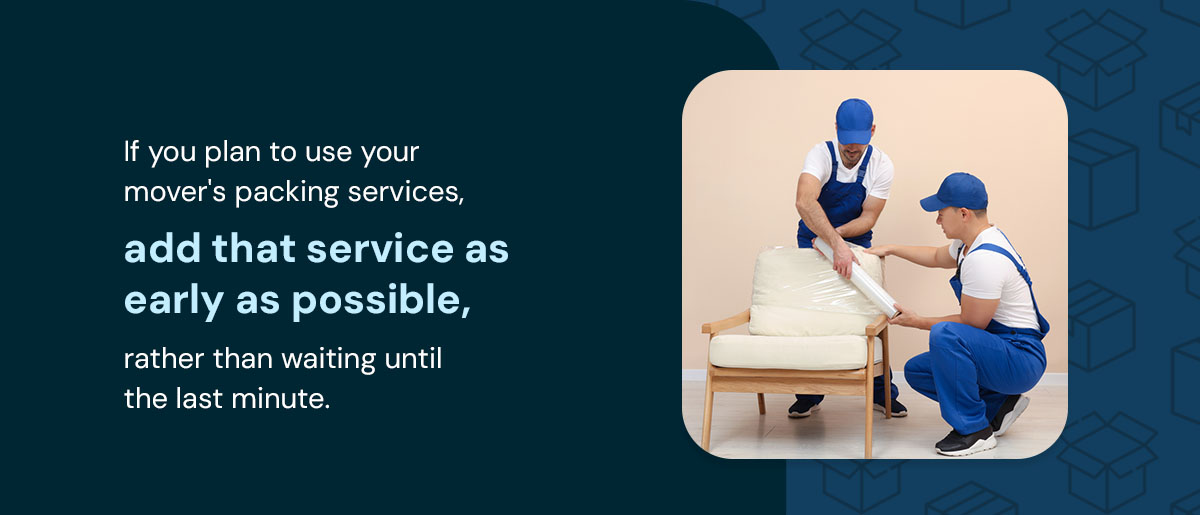
If you plan to use your mover’s packing services, add that service as early as possible, rather than waiting until the last minute. Packing crews and schedules often fill up quickly during peak moving seasons. If you wait too long, the company may already be booked to capacity. Booking packing services early ensures you get professional support.
Not all property can withstand the heat that builds up in the back of moving trucks. For example, candles can melt, and vinyl records can break. Musical instruments can also incur severe damage to their wood, glue or internal structure. These kinds of losses can be difficult or impossible to fix after the fact. It’s best to take a few extra steps to protect your valuables.
The safest approach is to set aside your most heat-sensitive items before moving day. Pack them last so they don’t accidentally get loaded into the trucks, and keep them clearly separated so they go straight into your vehicle instead. The air-conditioned environment of your car can help protect these items during transit. It’s also a good idea to pack them securely using sturdy boxes, hard cases or extra padding to limit movement.
For larger, delicate items, such as pianos and furniture, it’s better to let the professionals handle them since they have proper equipment, materials and experience to protect your investment. Taking a little extra time to protect your furniture and fragile items can give you confidence that your cherished, valuable or irreplaceable belongings will arrive safely at your new space.
Moving in the summer requires meticulous planning, including the time of day you start the move. We recommend starting early in the morning or later in the evening to avoid the worst of the heat, making the work easier on your body and reducing the risk of heat-related issues for both you and the movers. An early start can also help you avoid heavy traffic in many areas, allowing the truck to stay on schedule and minimize delays caused by congestion.
You should also consider the date you choose for your move. Holiday weekends, such as Memorial Day, may seem convenient at first, but they often create significant planning challenges. Street parades, local events, fireworks setups, road closures, detours and heavier-than-usual traffic can slow things down and make it difficult for a moving truck to access your home or business.
By choosing a moving time that avoids peak heat and busy holiday traffic, you set yourself up for a smoother, safer move with fewer surprises along the way.
The heat is unavoidable when you’re moving in the summer, so you must plan for it ahead of time. Long hours of lifting, loading and walking can quickly drain your energy and increase the risk of dehydration and heat exhaustion. Taking the following steps can make your move safer, more comfortable and less exhausting for everyone involved.
By taking these simple precautions, you’re making your move more comfortable, protecting your health and helping the entire day run more smoothly.