
A residential move is one of the most rewarding transitions a household can make. Among 1,000 Americans who moved in 2024, 92% faced some challenges during their move. Knowing what to expect going in makes all the difference. A little extra planning can make common moving challenges easier to overcome.
Packing is one of the most common challenges during a residential move and takes more time than any other stage for 43% of Americans. That figure is only one part of the packing timeline, since sorting belongings, gathering supplies and coordinating schedules can all happen before the first box gets sealed.
A room-by-room schedule that starts with low-use spaces like guest rooms and home offices, then works toward high-use rooms in the final week, keeps your timeline manageable. Sourcing the right packing materials also takes more time and money than most people plan for, so factoring these into the early timeline, along with moving checklists and planning documents, keeps everything on track.
Labeling every box with its contents and destination room makes unpacking easier once everything arrives, and a color-coded system by room is easy for a moving crew to follow without constant direction. For fragile items, heirlooms and larger households, professional packing services are worth considering as an add-on.
Glassware, artwork, electronics and antiques benefit from extra care during transit. The right materials and loading approach can make this stage easier to manage.
Bubble Wrap, sturdy double-walled boxes and packing paper used as void fill can make a meaningful difference in protecting fragile items. Boxes packed with the right amount of cushioning are easier to stack, carry and transport with care.
Extra costs can appear during many residential moves, especially when people plan around the larger expenses but overlook the smaller details. About 78% of Americans encountered surprise expenses during their move, and 60% said moving did not feel affordable overall. A free in-home or virtual estimate accounts for those smaller details up front, so the plan reflects the full scope of the move before moving day arrives.
The costs people often overlook include:
A more detailed budget makes those costs easier to account for. Planning for them as expected line items makes the final total easier to anticipate. For long-distance moves, a binding estimate locks in the scope and price agreed upon during the pre-move consultation. Local moves are billed hourly, based on the actual time the move takes.
Moving day can involve more steps than homeowners expect, especially once furniture, stairs, weather and timing all come together. The physical demands may be greater for larger homes, multi-story properties and moves involving narrow doorways, tight stairwells or shared building access points. Experienced crews handle these situations routinely with the right training, equipment and coordination.
Heavy furniture and large appliances call for proper equipment like dollies, furniture straps and protective floor runners. Awkwardly shaped pieces like sectional sofas, treadmills and oversized dining tables add another layer to that equation. Coordinated team lifting matters, too. Trained crews know how to move these pieces carefully while working around doorframes, flooring and tight spaces.
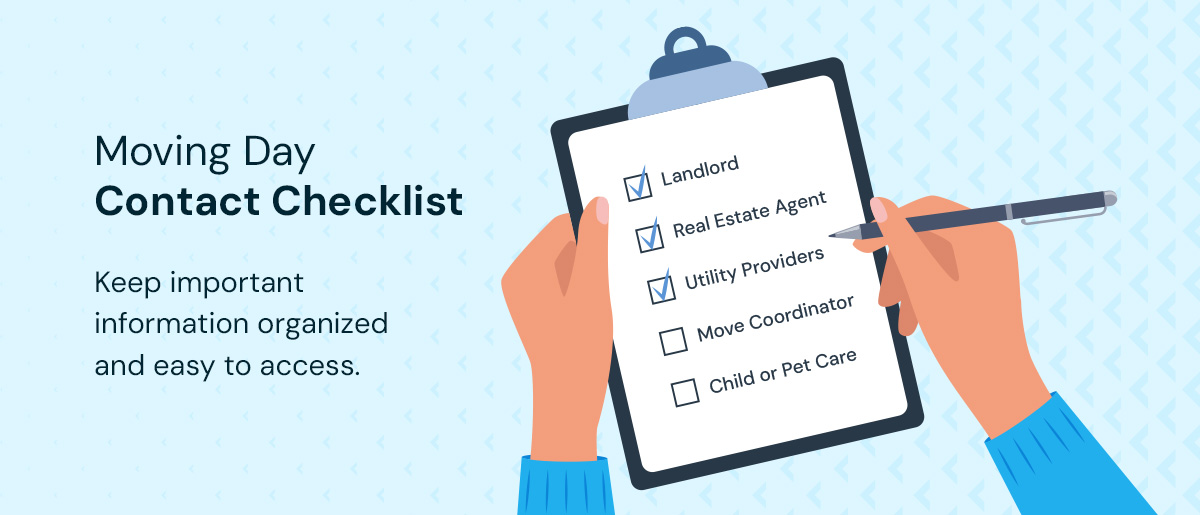
Lease paperwork, utility accounts, elevator reservations, parking instructions and closing documents must be well-organized for a smooth move. A simple folder keeps those pieces in one easy-to-reach place.
Keep lease or closing paperwork, valuation documentation, identification, utility account information and mover contact details in a folder that travels with you. Add any building access notes, parking instructions, gate codes or elevator reservation details so you are not digging through email threads on moving day.
A short contact list can also keep the day moving smoothly, and if plans shift, you’ll know who to call first. Some essential contact details include:
Organizing does not need to be complicated. A folder, a phone charger and a clear point of contact can do a lot of heavy lifting before the first box crosses the threshold.
After moving day, the next step is turning the new space into a comfortable home. Unpacking and arranging each room can take time, so a realistic plan helps the transition feel smoother.
A day-one essentials box, packed with toiletries, a change of clothes, a phone charger and basic medications, travels separately from the main load and makes the first night easier. Full unpacking can then happen over the following days.
For households that want an organized home from day one, unpacking services can make the first week feel lighter.
A residential move feels more manageable when the plan starts before the tape dispenser goes missing. A few simple habits can keep the process stress-free:
Corrigan Moving Systems has over 95 years of experience helping residents move with ease. We offer local moving, long-distance and international moving services. You’ll get a personal move coordinator as your single point of contact from the first call through the final box, backed by moving checklists and documents that keep the whole process organized. Our crew handles all loading and unloading as standard practice.
If you’d rather hand off packing and unpacking entirely, we offer both as optional add-ons, and our storage services can help bridge a timing gap between homes.
Furniture wrapping and protection come standard with every move we handle, and for pieces that need extra care, our trained crews can handle them with precision. We also offer valuation coverage for higher-value items.
Call us or fill out our form today to schedule your free in-home or virtual consultation.